
Foot Health Tips: Simple Habits That Help Keep Feet Healthy Over Time

Listen to article
Audio generated by DropInBlog's Blog Voice AI™ may have slight pronunciation nuances. Learn more
Table of Contents
- What Foot Health Means in Everyday Life
- Why Dryness and Roughness Build Slowly
- Prevention Principles: Consistency Over Intensity
- Hydration and Barrier Support
- Gentle Smoothing and Callus Maintenance
- Freshness and Hygiene Habits
- Nail and Cuticle Upkeep
- Spring Foot Care: Resetting Habits for the Season
- When Professional Guidance May Help
- The Maintenance Mindset
Healthy-looking feet rarely happen overnight. More often, they reflect consistent care and attention to small details that support comfort, smoothness, and freshness over time. These foot health tips focus on preventive habits that help maintain the appearance and feel of the skin, rather than waiting for dryness or roughness to become noticeable.
In everyday life, feet experience constant pressure, friction, and environmental exposure. Footwear choices, activity levels, and seasonal changes all influence how the skin looks and feels. By paying attention to these small factors early, it becomes easier to maintain feet that look smooth, feel comfortable, and stay fresh throughout the year.
What Foot Health Means in Everyday Life
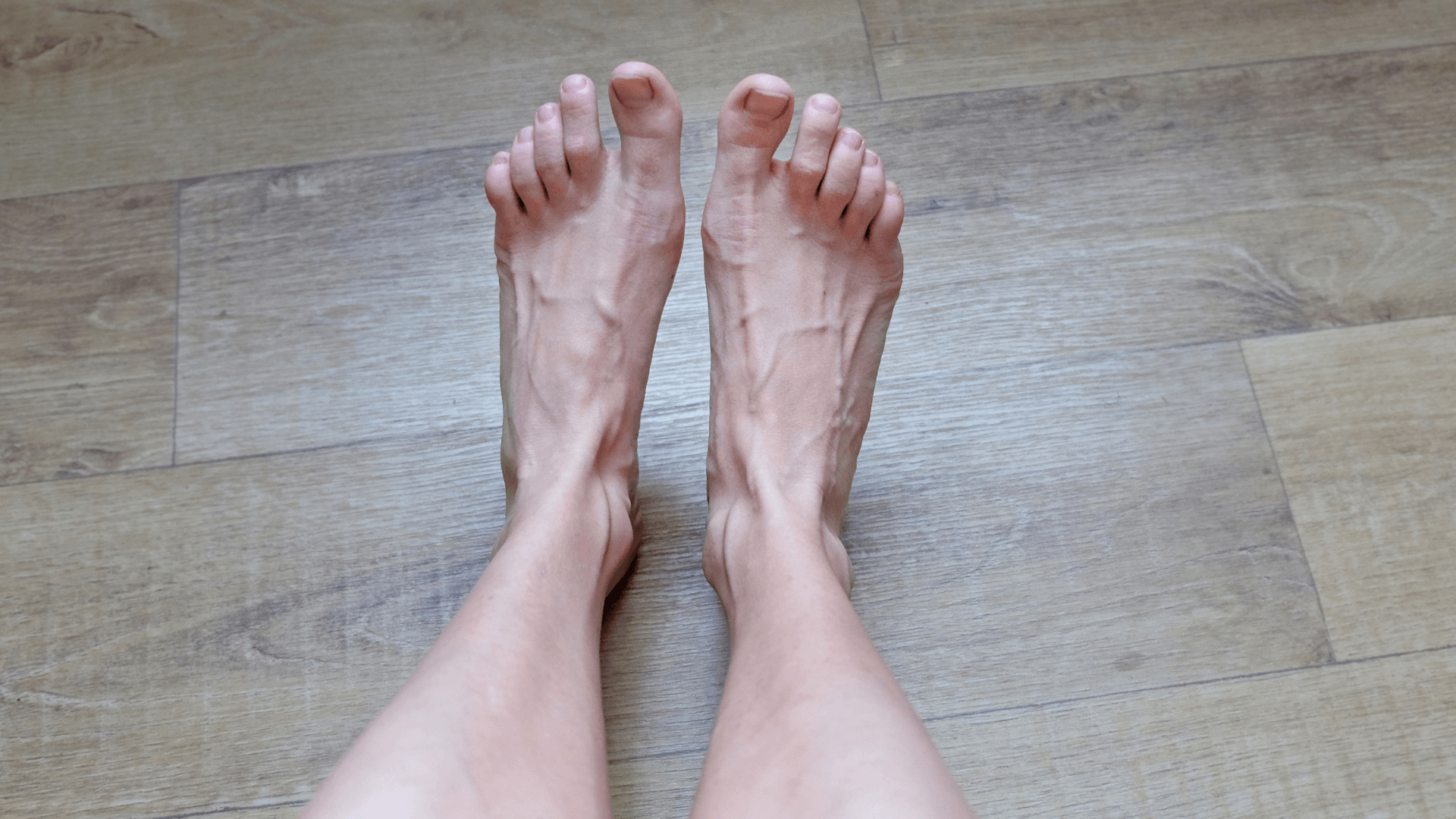
When people talk about foot health, they often think about how their feet feel and look in daily life. In a wellness context, healthy-looking feet are typically associated with comfort, smooth skin, and a fresh feeling throughout the day.
Feet that are well maintained often share a few visible qualities:
- Smooth skin texture
- Comfortable, flexible skin that does not feel tight
- A fresh and clean feeling throughout the day
- Neatly maintained nails and cuticles
- A balanced-looking skin surface that appears resilient
Rather than focusing on correcting problems, a maintenance approach aims to support these qualities consistently. Small habits performed regularly often make a greater difference than occasional intensive care.
Why Dryness and Roughness Build Slowly
Many common foot appearance concerns develop gradually. Factors such as dryness, pressure, and friction may seem minor in the moment, but they accumulate over time.
Several everyday influences contribute to these changes:
Environmental exposure
Dry air, temperature shifts, and seasonal transitions can affect the skin’s moisture balance.
Footwear pressure and friction
Shoes that rub repeatedly in certain areas may encourage thicker, rougher skin as a natural protective response.
Activity level
Walking, running, or standing for long periods increases pressure on specific parts of the foot.
Moisture balance
Both excessive dryness and prolonged moisture can affect how the skin surface behaves.
Because these influences are gradual, preventive foot care often focuses on consistency rather than intensity. Regular attention helps maintain a smoother appearance before visible roughness or dryness becomes more noticeable.

Prevention Principles: Consistency Over Intensity
A key message behind many foot health tips is simple: steady maintenance tends to be more effective than occasional strong interventions.
Three practical principles guide this approach:
1. Consistency matters more than occasional intensive care: Small daily habits, such as moisturizing or keeping feet clean and dry, support long-term skin comfort.
2. Pay attention to subtle changes: Early dryness, mild roughness, or changes in nail appearance are often easier to manage when noticed promptly.
3. Avoid extremes: Over-filing the skin or using harsh exfoliation methods may temporarily smooth the surface but can also encourage the skin to respond with increased thickness.
A balanced routine supports the skin’s natural appearance without pushing it toward irritation or overcorrection.
Hydration and Barrier Support
One of the most important habits in how to keep feet healthy is maintaining adequate hydration of the skin. Regular moisturizing helps the outer skin layer remain flexible and comfortable. When the skin barrier is well supported, the surface tends to appear smoother and more resilient.
Ingredient literacy can also help guide product choices.
- Urea: Urea is widely used in foot care because it supports the skin’s natural moisture balance. It helps attract and retain water in the upper layers of the skin, which can improve the appearance of dryness and rough texture.
- Panthenol: Panthenol is valued for its soothing qualities. In cosmetic formulations, it helps support comfort while contributing to a smoother-feeling skin surface.
Used consistently, these ingredients can help support dry feet prevention and contribute to maintaining soft, flexible skin.
Gentle Smoothing and Callus Maintenance
Areas exposed to repeated pressure often develop thicker skin. This is a natural response designed to protect the foot.
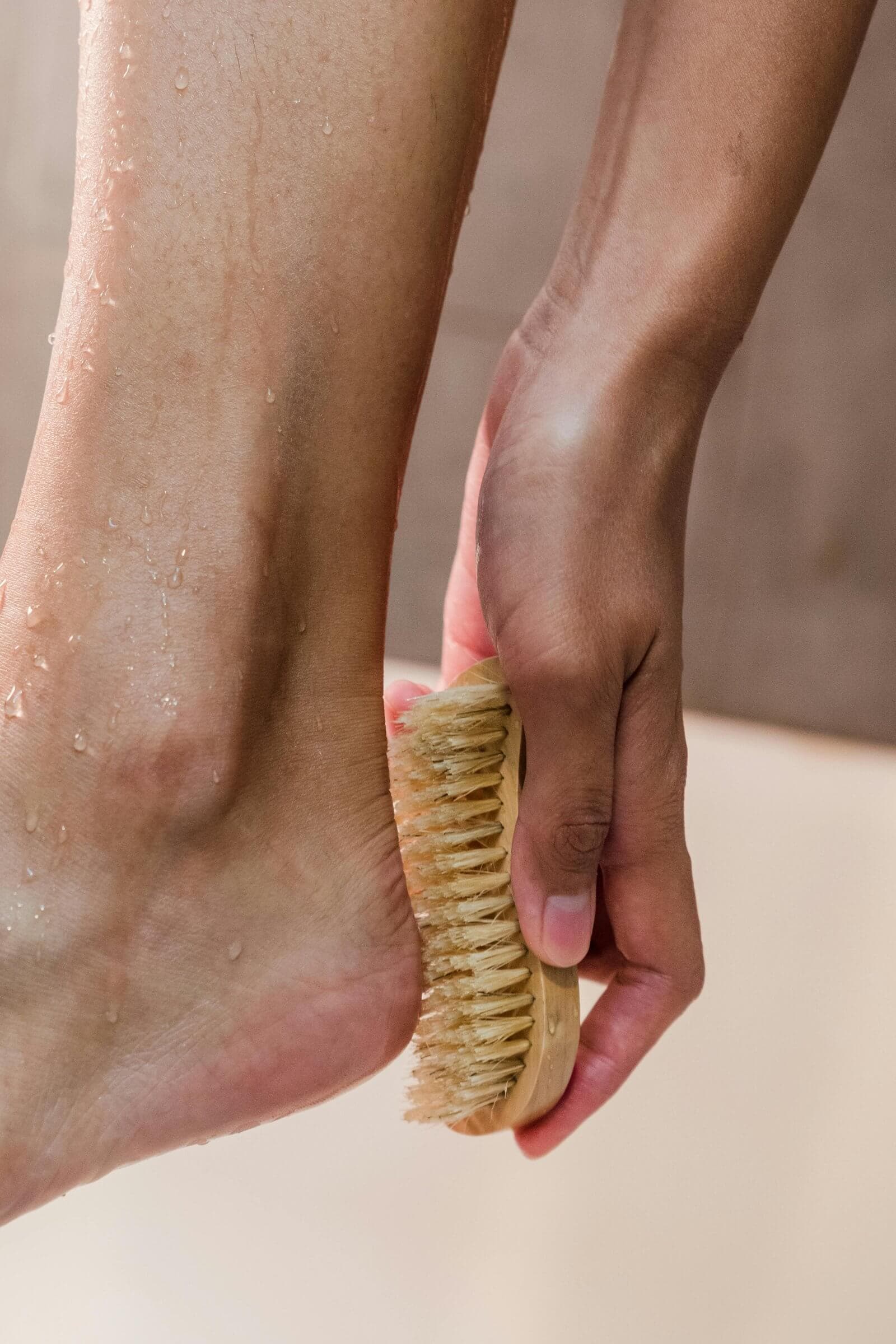
When managed gently, smoothing practices can help maintain a balanced appearance without encouraging excess buildup.
A few key principles support effective callus prevention and rough heels prevention:
- Use smoothing tools moderately rather than aggressively.
- Focus on gradual improvement rather than immediate removal.
- Combine smoothing with regular moisturizing to maintain softness.
This measured approach helps maintain soft feet while respecting the skin’s natural protective role.
Freshness and Hygiene Habits
Another important aspect of preventive foot care is maintaining daily freshness.
Feet naturally produce moisture throughout the day, particularly during warm weather or increased activity. Supporting a balanced environment helps the skin feel comfortable and fresh.
Helpful habits include:
- Choosing breathable footwear materials when possible
- Allowing shoes time to dry between uses
- Keeping feet clean and dry after daily activities
- Using products designed to support foot freshness
Many formulations incorporate botanical ingredients or essential oils known for their refreshing sensory qualities. Ingredients such as rosemary, lavender, or mountain pine are often used in cosmetic foot care for their invigorating fragrance and revitalizing feel.
These practices contribute to how to keep feet fresh, particularly during warmer months.
Nail and Cuticle Upkeep
Foot care maintenance also includes attention to nails and surrounding skin.
Regular nail and cuticle care helps maintain a neat appearance and overall comfort. Simple habits support this process:
- Keeping nails trimmed evenly
- Gently caring for the cuticle area without excessive manipulation
- Maintaining clean, dry conditions around the nail
Consistent grooming helps maintain a tidy look and contributes to overall foot comfort.
Spring Foot Care: Resetting Habits for the Season
Seasonal changes often influence foot care needs. As temperatures rise and footwear choices shift toward sandals or open styles, feet may become more visible and exposed.
This makes spring foot care an ideal moment to revisit maintenance habits.
A seasonal reset may include:
- Reintroducing regular moisturizing after winter dryness
- Checking areas prone to roughness from closed footwear
- Refreshing hygiene habits as activity levels increase
- Ensuring nails and cuticles appear neat and well cared for
With warmer weather and lighter footwear ahead, these adjustments help maintain a smooth and comfortable appearance throughout the season.
When Professional Guidance May Help
While many aspects of how to keep feet healthy involve simple daily habits, certain persistent concerns may benefit from professional evaluation.
If visible changes in the skin or nails remain despite consistent care, consulting a qualified foot care professional can provide guidance tailored to individual needs.
Professional expertise can help identify contributing lifestyle factors and recommend appropriate care strategies while supporting overall foot comfort and appearance.
The Maintenance Mindset
Ultimately, the most effective foot health tips revolve around a maintenance mindset. Healthy-looking feet are usually the result of steady habits rather than occasional intensive care.
Regular moisturizing, gentle smoothing, attention to freshness, and consistent grooming all contribute to feet that look and feel comfortable over time. When these practices become part of everyday self-care, maintaining smooth, fresh, and well-groomed feet becomes a natural part of overall wellness
Related Articles

Foot care for people on their feet all day: from long shifts to weekend adventures
Discover GEHWOL Leg Vitality Cream Discover GEHWOL HEALTH Vitality Bath...

Fall Foot Care: Prepare Active Feet for the Season.
Cooler mornings and closed shoes can change how your feet feel. Learn how a simple prepare, sustain, recover foot care routine can support active feet throughout fall with GEHWOL HEALTH.